Ever wonder why two apartments just blocks apart in Gramercy can feel like they belong to completely different versions of New York? That contrast is part of what makes this pocket of Manhattan so compelling. If you are searching in or around Gramercy Park, understanding the architecture can help you read a listing more clearly, tour with more confidence, and spot the kind of home that actually fits your lifestyle. Let’s dive in.
Gramercy Park’s architectural identity
Gramercy Park stands out because its built environment still reflects its origins as a planned residential district centered on a private square. The historic district was first designated in 1966 and later extended in 1988, and the Landmarks Preservation Commission describes it as an unusually intact residential enclave with architecture from the 19th and early 20th centuries.
In practical terms, that means you are not looking at one single building style. You are seeing a layered neighborhood where park-facing townhouses, early apartment houses, and newer condos all exist within a relatively compact area. That mix gives buyers a wide range of choices, but it also makes it important to know what each building type usually offers.
Park-facing homes feel most historic
The blocks around Gramercy Park have the strongest historic character. Here, you are more likely to see low-rise brick and brownstone townhouses, converted private residences, and club buildings that still read visually like historic homes rather than modern apartment buildings.
The architectural details on these blocks are part of the appeal. Common cues include narrower facades, raised entries or stoops, ornamental ironwork, molded cornices, handsome lintels, and small front gardens that soften the street edge. If you want an intimate streetscape and a distinctly old New York feel, this is the look that usually defines it.
Common styles near the park
The Landmarks Preservation Commission highlights Greek Revival, Anglo-Italianate, and Gothic Revival architecture among the surviving houses around the park. You do not need to memorize the styles to benefit from them, but it helps to know that these homes often emphasize proportion, detail, and a more formal exterior presence.
That architectural language often shapes the experience inside as well. Even before you enter a listing, the facade can suggest whether the home may feel more compartmentalized, more decorative, or more connected to the neighborhood’s 19th-century origins.
Early co-ops changed the neighborhood
Just off the park, Gramercy includes some of New York’s earliest cooperative apartment buildings. These buildings introduced a different residential model while still fitting into the neighborhood’s historic fabric.
The area includes notable early co-op ventures such as 34 Gramercy Park East. The Landmarks Preservation Commission also describes 36 Gramercy Park East, built from 1908 to 1910, as a 12-story U-shaped apartment house clad in glazed terra cotta with Gothic detailing. Buildings like these marked a shift toward larger apartment living with more luxurious details aimed at buyers who wanted space without giving up prestige.
How to recognize an early apartment house
Early apartment houses and co-ops usually look taller and more substantial than the park’s rowhouses. On a tour or while scanning listings, visual cues can include:
- Glazed terra cotta exteriors
- Gothic detailing
- Larger massing and taller profiles
- More formal lobbies or common areas
- Period character that feels more grand than casual
These buildings often appeal to buyers who want prewar scale and architectural presence, but prefer an apartment format over a townhouse layout.
Side streets bring more variety
Once you move away from the park-facing blocks, Gramercy becomes more mixed. Side streets tend to include walk-ups as well as larger apartment buildings, creating a different rhythm from the more uniform historic edge around the square.
This matters because your day-to-day experience can change quickly from block to block. One street may feel townhouse-heavy and quiet in scale, while another offers a more typical Manhattan apartment-house streetscape. If you are comparing listings in the same zip code, this architectural shift can explain why homes with similar square footage can live very differently.
Newer condos offer a different kind of luxury
Modern condo development in and around Gramercy often takes a more contextual approach from the outside while delivering contemporary layouts and amenities inside. Some newer buildings borrow from older neighborhood materials or design language, but the residential experience is distinctly current.
For example, newer projects in the area describe features such as Beaux Arts-inspired design, panoramic windows, full amenity packages, studio-to-four-bedroom layouts, garden homes, penthouses, and private club spaces. These buildings are usually designed for buyers who value light, openness, service, and flexibility in how rooms are used.
What newer buildings often look like
When you are touring newer condos, the architectural cues are usually easier to spot. Common signs include:
- Bronze-toned or contemporary facades
- Larger or panoramic windows
- Landscaped amenity spaces
- Cleaner exterior lines
- A more polished full-service arrival experience
If your priority is open flow, newer systems, and amenity-driven living, this building type may feel like the best fit.
What prewar apartments feel like inside
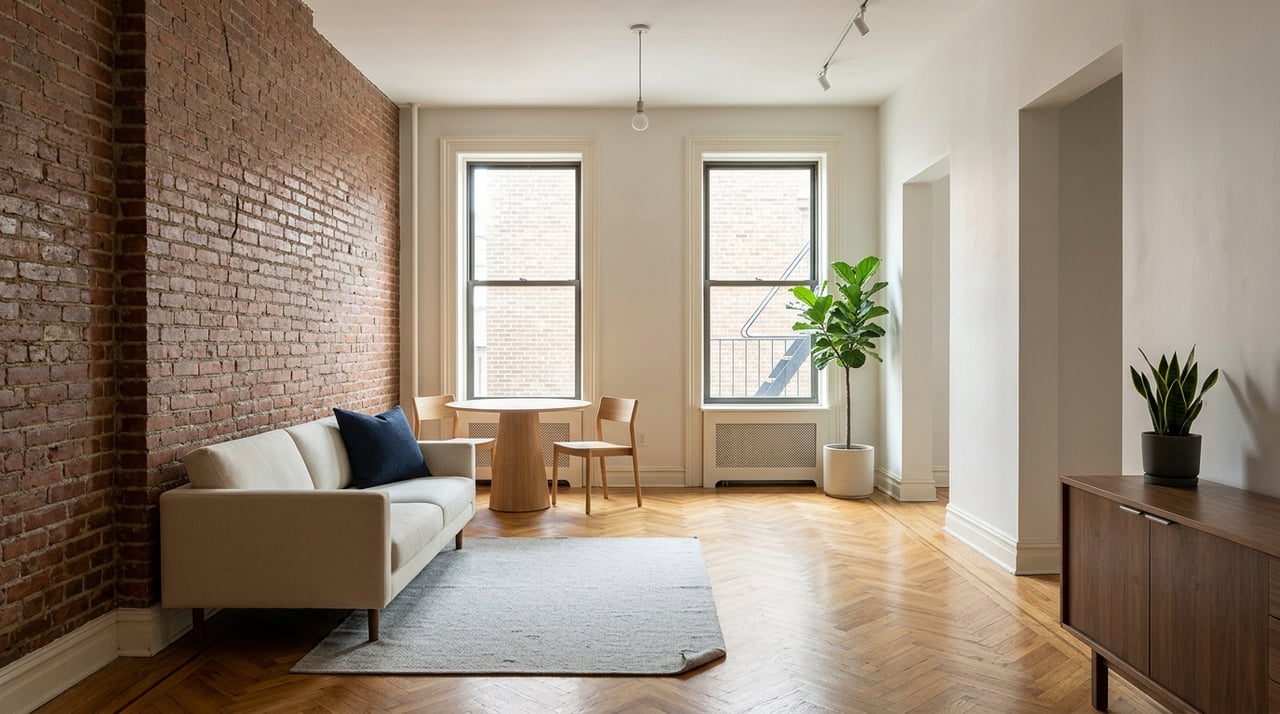
In older Gramercy buildings, interiors often follow the classic prewar pattern. That usually means distinct rooms instead of one large open plan, separate kitchens, high ceilings, hardwood floors, solid wood doors, and generous living areas.
Many prewar homes also include details that buyers continue to value today. Decorative plasterwork, built-ins, larger foyers, formal room separation, and strong lobby character are all part of that appeal. In some residences, especially reconfigured full-floor homes, the sense of scale can feel unusually expansive.
Why layout matters in prewar homes
A prewar layout can be a strength if you want defined spaces for living, dining, working, or hosting. Thicker walls, stronger room proportions, and period windows can also make the home feel more substantial and quieter in character.
At the same time, the more formal layout is a real design choice. If you strongly prefer a single great room with an open kitchen at the center, some older apartments may feel less aligned with your day-to-day habits unless they have been significantly reconfigured.
What newer condos feel like inside
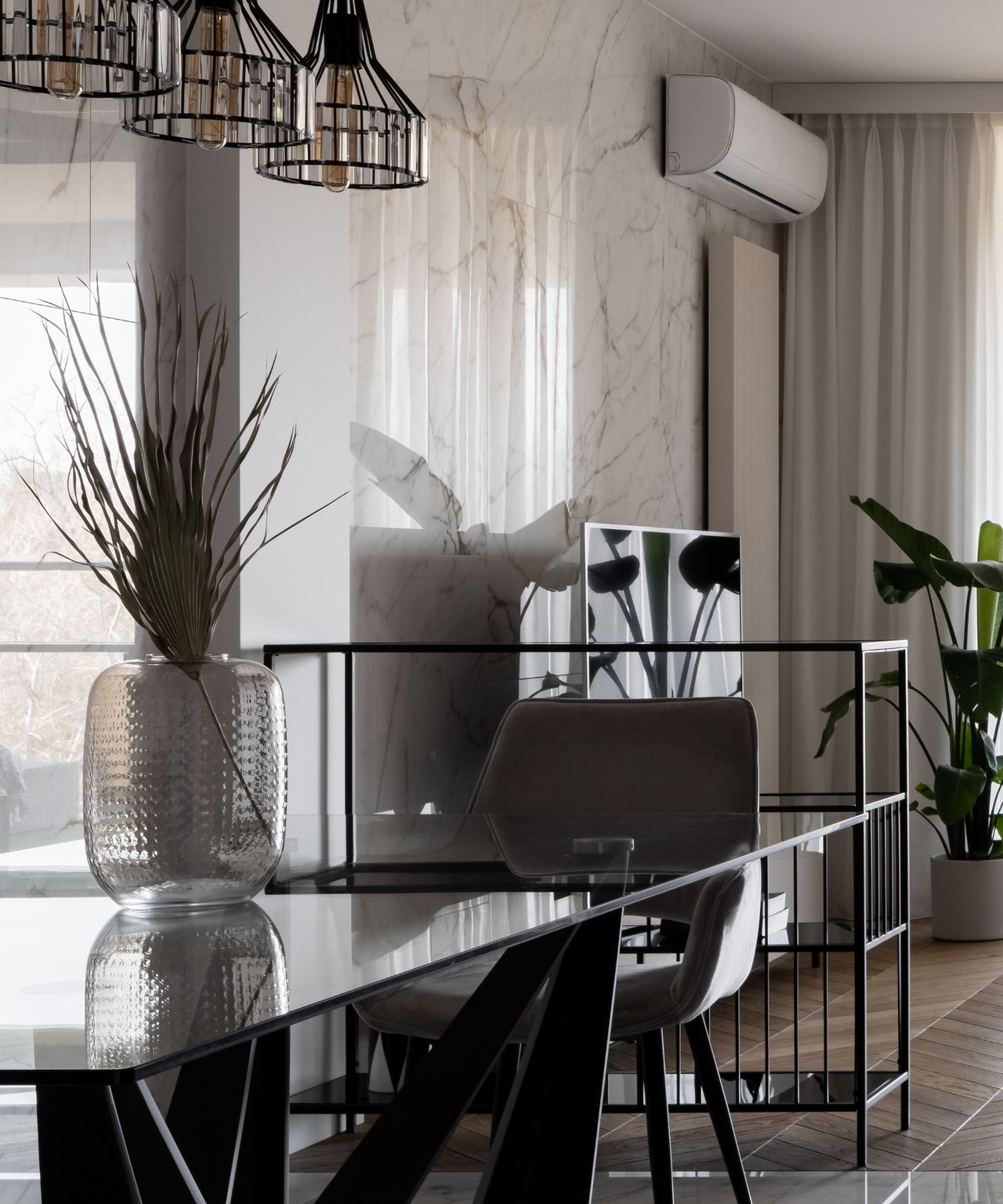
The newest condos around Gramercy tend to favor open, light-filled layouts. Current projects in the area describe airy living spaces, multiple exposures, open kitchens with large islands or peninsulas, oversized bedroom windows, and a broad range of unit types from one-bedroom homes to full-floor residences and penthouses.
This style often works well if you want flexibility. Open living plans can make entertaining easier, let natural light move deeper into the apartment, and create a more seamless connection between kitchen, dining, and living spaces.
Interior features buyers often notice
In newer Gramercy condos, you are more likely to see:
- Open kitchens
- Larger baths
- More flexible bedroom counts
- Bigger windows and brighter sightlines
- Building amenities and added services
For many buyers, the tradeoff is straightforward. You may gain openness, convenience, and amenities, while giving up some of the formality and original detailing that define older homes.
How to read a Gramercy listing
In Gramercy, the exterior often tells you a lot about the apartment before you even step inside. A low-rise building with a stoop, cornice, and front garden may point to townhouse-era origins. A taller building with glazed terra cotta and Gothic detail may suggest an early co-op or apartment house. A sleek facade with large windows often signals a newer condo with a more contemporary layout.
That makes architecture more than just visual backdrop. It is a clue to how the home may function, what kind of room flow you can expect, and whether the property will match your priorities.
Smart questions to ask on tours
When you tour apartments around Gramercy Park, focus on the features that most clearly separate one housing type from another. Finishes matter, but the lasting differences usually come from structure, layout, and building style.
A few useful questions to keep in mind are:
- How does the room flow work day to day?
- Are the rooms distinct or more open to one another?
- How high are the ceilings?
- How large are the windows, and what direction do they face?
- How much storage is built in?
- What building services are available?
These questions can help you move past surface-level staging and evaluate whether the apartment truly supports how you live.
Choosing the right style for your goals
There is no single best apartment style around Gramercy Park. The right fit depends on what matters most to you.
If you are drawn to history, formal layouts, and architectural detail, the park-facing townhouses and early co-ops may stand out. If you want flexibility, open kitchens, larger windows, and amenities, newer condos may feel more intuitive. And if you are looking for value within the neighborhood, the side streets can offer a broader mix of walk-ups and apartment buildings worth exploring.
In a neighborhood this layered, the best results usually come from matching the building type to your priorities before you fall in love with finishes alone. If you want help comparing co-ops, condos, townhouses, or investment-minded opportunities in Gramercy and across Manhattan, Chris Pasquale can help you narrow the field and tour with a sharper strategy.
FAQs
What architectural styles are found around Gramercy Park?
- Around Gramercy Park, you will commonly see Greek Revival, Anglo-Italianate, Gothic Revival townhouses, early co-op and apartment houses, and newer contextual condo buildings.
What do park-facing buildings near Gramercy Park usually look like?
- Park-facing buildings near Gramercy Park are often low-rise brick or brownstone townhouses and converted residences with stoops or raised entries, ornamental ironwork, cornices, and small front gardens.
What makes a Gramercy prewar apartment different from a newer condo?
- A Gramercy prewar apartment usually has distinct rooms, separate kitchens, high ceilings, hardwood floors, and more formal layouts, while a newer condo often has open living spaces, larger windows, modern kitchens, and amenity-focused living.
What are early co-op buildings like in Gramercy?
- Early co-op buildings in Gramercy often have taller massing, strong period detailing, and layouts that were designed to offer larger, more luxurious apartment living than many earlier housing types.
What should you look for when touring apartments around Gramercy Park?
- When touring apartments around Gramercy Park, focus on room flow, ceiling height, window size, storage, and building services, because those details often reveal more than finishes alone.
Are side streets around Gramercy Park different from the park blocks?
- Yes, side streets around Gramercy Park tend to be more mixed, with walk-ups and larger apartment buildings, while the blocks around the park are generally more townhouse- and co-op-heavy.