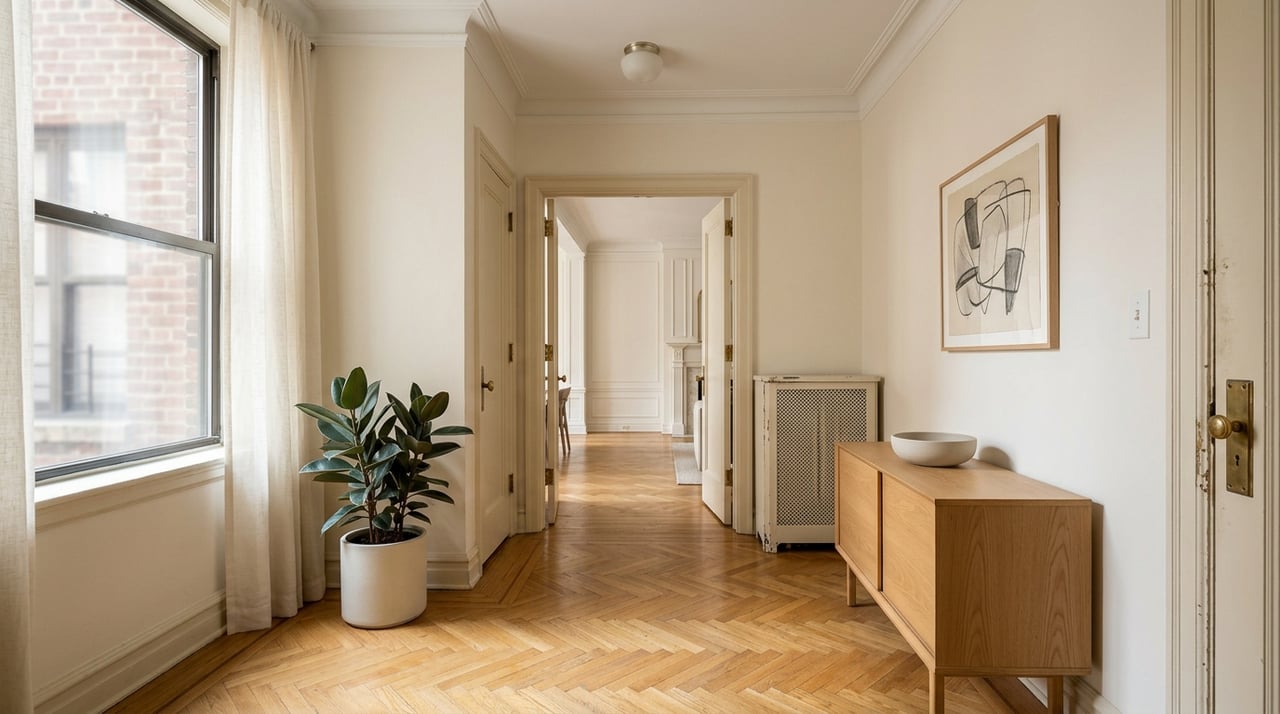
Buying a co-op in Gramercy Park can feel like reaching the final stretch of a long race, only to find one more hurdle waiting for you. If you are under contract and heading toward a board review, it is normal to feel pressure, especially in Manhattan where co-op approval is a meaningful step, not just paperwork. The good news is that most successful board reviews come down to preparation, organization, and calm communication. Let’s dive in.
What a co-op board review means
When you buy a co-op in New York City, you are not buying real property in the same way you would with a condo. You are buying shares in a corporation along with a proprietary lease for the apartment. That structure is why the board review matters so much.
A co-op board operates under the building’s bylaws, proprietary lease, certificate of incorporation, and house rules. In practical terms, the board has real authority in the approval process. New York courts generally defer to board decisions made within the board’s authority and in good faith, so you should treat the review as an important gatekeeping step.
Why Gramercy Park buyers should prepare early
In Manhattan co-ops, the board package and interview are a normal part of the purchase process. The process can feel personal because board members are often shareholder neighbors, and many serve without pay. Even so, the review is usually focused on documents, finances, and whether your application is complete.
That is why early preparation matters. Package requirements are not standardized from one building to another, and some buyers have only about 10 days after contract signing to submit everything. The safest move is to begin collecting documents as soon as you can.
What usually goes into the board package
Every building has its own checklist, but many NYC co-op packages ask for a similar set of materials. Your exact list may vary, so always follow the building’s instructions carefully.
Common items often include:
- Employment verification
- One to three years of tax returns
- Personal reference letters
- Professional reference letters
- A landlord reference letter, if applicable
- Bank and brokerage statements
- A personal financial statement
- Loan commitment letter and related bank forms, if you are financing
The New York State Attorney General also recommends reviewing the full offering plan and consulting an attorney before signing a purchase agreement. The Attorney General notes that board minutes and the most recent financial report may reveal defects or repair costs that matter to buyers.
How to make your package easy to approve
A strong board package is not just complete. It is easy to review. Think of it as a clean, well-organized file that answers questions before anyone has to ask them.
A simple structure can help a lot. Many buyers benefit from including a cover page, a table of contents, and clearly labeled sections or digital files. If the board or management company reviews applications online, clean file names and consistent formatting can make your package easier to process.
Consistency matters too. If your tax returns, bank statements, employment documents, and financial statement do not line up clearly, that can slow things down. Before you submit, check every date, balance, employer name, and account detail for accuracy.
Explain unusual financial details upfront
Boards often want a clear picture of your financial stability. They may review income, assets, debt load, and your ability to keep paying monthly maintenance. Some also request several months of supporting statements so they can see patterns over time instead of one snapshot.
If something in your file might raise a question, it is usually better to explain it upfront in writing. That could include large deposits, self-employment income, cash reserves moving between accounts, dependents, or a cash purchase that needs context. A short, factual explanation can prevent confusion and keep the process moving.
What to include in a personal statement
Many co-op packages include a cover letter or personal statement. This is not the place for a dramatic sales pitch. It is usually a brief summary that helps the board understand who you are and how the application fits together.
A useful personal statement often covers:
- Who you are
- What you do for work
- Who will live in the apartment
- Why you chose the building and Gramercy Park area
- How you plan to comfortably carry the monthly costs
Keep your tone professional, warm, and concise. The goal is clarity, not oversharing.
What boards usually look for
Most boards are trying to answer a practical question: does this buyer appear financially prepared and likely to follow building rules? That usually means they are focused on steady income, adequate assets, reasonable debt, and the ability to handle maintenance obligations.
Boards may also ask practical questions about occupancy, pets, working from home, renovations, or subletting. These topics are not unusual. They often relate directly to house rules and how the apartment will be used.
This is one reason complete, well-presented paperwork matters so much. In many cases, the package does most of the work before the interview even happens.
What to expect from the interview
The interview itself is often shorter and less dramatic than buyers expect. Some boards meet in person, while others use Zoom. Questions commonly focus on your finances, job security, who will live in the apartment, whether you have pets, whether you work from home, and whether you plan to renovate or sublet.
The best interview style is usually calm and direct. Know your application well, answer the question that was asked, and avoid adding extra detail that opens unnecessary side topics. Being on time and dressed professionally also helps create a polished impression.
What not to do in the interview
One of the most common mistakes is talking too much. If you volunteer extra information about future renovation plans or subletting ideas without being asked, you may create concerns about building rules or long-term occupancy. It is usually smarter to keep your answers brief and relevant.
It also helps to avoid treating the meeting like a negotiation. You are not there to persuade the board with charm or force of personality. In most cases, you are there to confirm that the strong package you submitted is accurate and that you understand the building’s expectations.
If your interview is delayed
A delayed interview does not automatically mean something is wrong. Complete files are often scheduled within about two to four weeks, but timing can vary. Monthly board meeting schedules, summer vacation periods, incomplete packages, and management backlogs can all slow the process.
This is why it is best not to assume the worst if you do not hear back right away. Many delays are logistical rather than personal. Staying organized and responsive is usually more useful than reading too much into the silence.
Legal guardrails every buyer should know
In New York City, housing discrimination is prohibited based on many protected characteristics, including race, color, religion or creed, national origin, gender, pregnancy, gender identity and expression, disability, sexual orientation, marital or partnership status, immigration or citizenship status, lawful source of income, lawful occupation, family status, and victim status related to domestic or sexual violence or stalking. The city’s Fair Chance Housing Law also makes criminal-history discrimination unlawful in most NYC housing, including co-ops and condos.
If an interview shifts into a topic that seems inappropriate, keep your response neutral and make a note of what was asked. If you believe discrimination may have occurred, you can consult an attorney or contact the NYC Commission on Human Rights. The Commission says complaints generally must be filed within one year of the last incident.
How a buyer’s agent can help
A strong buyer’s agent can make this phase much smoother. Coordinating with your lender, employer, bank, references, attorney, and building management takes time, and small omissions can create unnecessary delays. Having an experienced point person helps keep the package complete and organized.
That support can be especially valuable in Gramercy Park and throughout Manhattan, where co-op transactions often move on tight timelines and each building has its own expectations. A hands-on agent can help you spot gaps, prep for likely interview questions, and keep the process calm from contract to closing.
A simple Gramercy Park board review checklist
If you want to stay focused, use this practical checklist:
- Start gathering documents immediately after contract signing
- Follow the building’s checklist exactly
- Review the offering plan with your attorney
- Check board minutes and the latest financial report if available
- Organize your package with a cover page and table of contents
- Make sure all financial documents are consistent
- Explain unusual deposits or income details in writing
- Keep your personal statement brief and professional
- Prepare for a short, direct interview
- Stay patient if scheduling takes time
The board review process can feel intimidating, but it does not have to be mysterious. In most cases, success comes from being prepared early, presenting your finances clearly, and handling the interview with confidence and restraint.
If you are getting ready to buy a co-op in Gramercy Park or elsewhere in Manhattan, working with an agent who understands the pace and detail of NYC board approvals can make a real difference. Connect with Chris Pasquale for hands-on guidance through every step of the process.
FAQs
What is a Gramercy Park co-op board review?
- A Gramercy Park co-op board review is the approval process a buyer goes through after signing a contract, where the building reviews financial documents, references, and often conducts a short interview.
What documents are usually needed for a Manhattan co-op board package?
- A Manhattan co-op board package often includes tax returns, employment verification, bank or brokerage statements, reference letters, a financial statement, and loan commitment documents if financing is involved.
How long does a New York City co-op board interview take to schedule?
- In New York City, a co-op board interview is often scheduled within about two to four weeks after a complete package is submitted, but building meeting schedules and management backlogs can extend that timeline.
What do co-op boards look for in Gramercy Park buyers?
- Co-op boards typically look for financial stability, adequate reserves, manageable debt, and clear answers about occupancy, pets, work-from-home use, renovations, or subletting.
How should you prepare for a NYC co-op board interview?
- For a NYC co-op board interview, you should know your application well, answer questions directly, arrive on time, dress professionally, and avoid volunteering unnecessary details.
What should you do if a co-op board asks inappropriate questions in New York City?
- If a co-op board asks inappropriate questions in New York City, keep your response neutral, note what was asked, and consider consulting an attorney or the NYC Commission on Human Rights if you believe discrimination occurred.